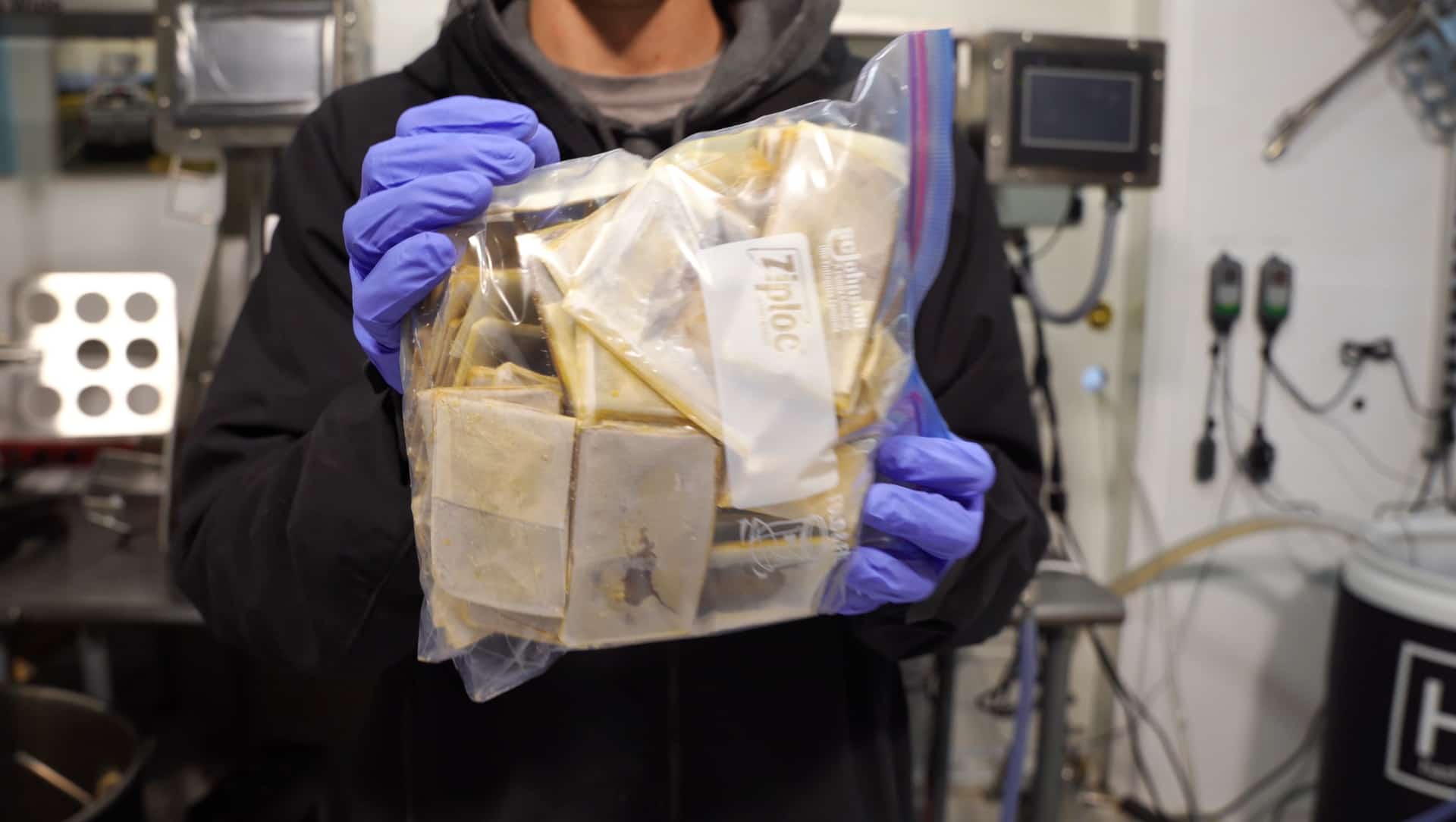
Solventless Extraction is the mechanical separation of trichome heads from plant matter. This is as opposed to solvent based extraction methods that dissolve cannabinoids and terpenes and isolate them into their chemical constituents through processes like distillation. The term is said to have been coined by hash maker Nikka T.
What are Trichomes? The Grape Analogy
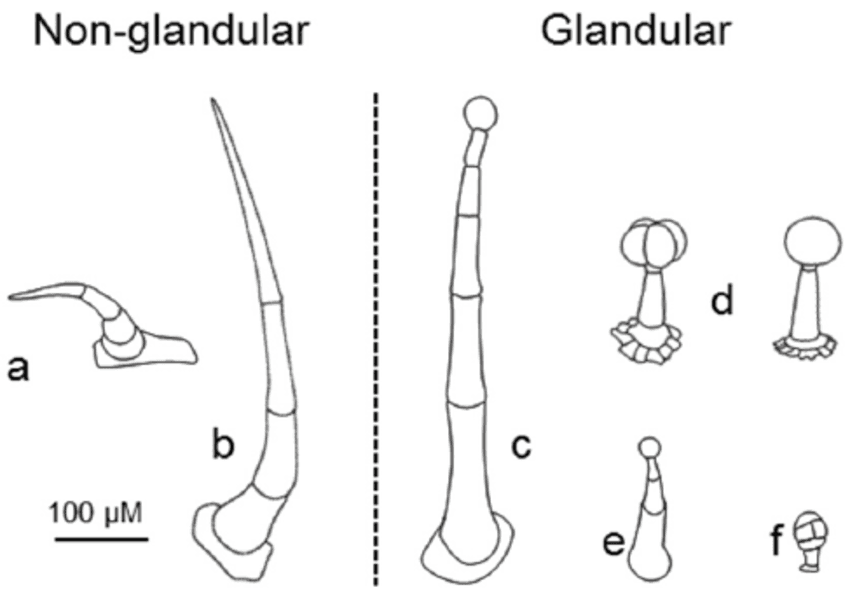
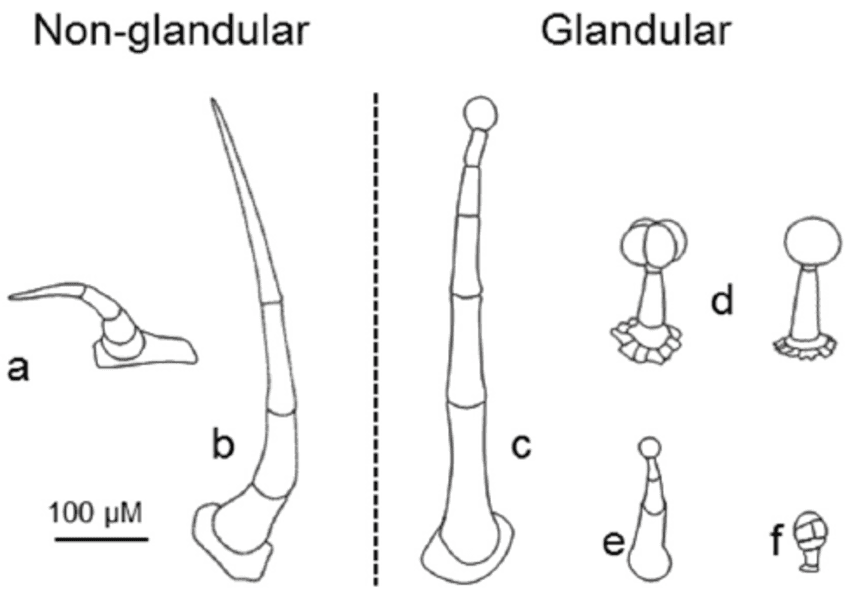
It is impossible to have a discussion about solventless cannabis extraction without discussing trichomes - the glandular waxy “heads” that contain the majority of the plants cannabinoids, terpenes and flavonoids. These waxy head will differ in size and thickness based on a multitude of factors including growing conditions, grow lighting (if grown indoors), nutrients, VPD and even harvest conditions. Solventless products are made by mechanically separating these heads from the plant matter -rather than dissolving them as is done with solvent based methods like butane and CO2.
The grape analogy for trichomes helps explain the difference between flower rosin and hash rosin. In flower rosin you are taking the entire flower and squishing the juice (oil) out. With hash rosin you separate the grapes (trichomes) out from the branches (flower) and press only the grapes (trichome heads). This leads to a more pure product as there is no chlorophyll contamination as with flower rosin. This is why hash rosin has a much better shelf life than flower rosin, which is typically best enjoyed as a fresh press product.
Advantage of Solventless
Material must be relatively fresh. This can be both an advantage for customers and a disadvantage for producers. Material used for solventless extraction must be relatively fresh so that integrity of trichome heads is intact and terpenes are still present. Unlike with distillation where 3+ year old outdoor material that has been kiln dried can be used as an input material. This is why
Drawbacks of Solventless
The disadvantages of solventless have overlap with the advantages depending on your perspective. Perhaps the biggest drawback of solventless separation methods is that not all strains will wash. This means that some genetics simply do not take well to mechanical trichome separation. The trichome heads can have thick necks, or not be the glandular thin necks that give up massive yields.
The Entourage Effect
A big reason that solventless products are better than alternatives like distillate + botanical terps (the majority of most vape pens on legal rec. markets) is the entourage effect.
The entourage effect well articulated by Tyler May, who works at Synergy Health Services. He gives this real world example anyone can try. Take enough fresh flower to roll two equal sized joints. Grind up all of the flower and roll one joint with half of the flower. Leave the rest of the ground up flower to dry out and smoke the second one a week later.
I’ve had many people try this experiment. The results are always similar. The experience from the fresh joint is described as “multi-dimensional” and “full” while the stale joint is described using words like “flat” and there is a general consensus that something is missing. Adding botanical terpenes (e.g. grape flavour might fix the taste, but will not replenish the multi dimensional experience)
Terpenes are first to leave the party
Why is there a difference between a week-old joint and a fresh one? THC is a relatively stable compound and THC content will not vary significantly between the two joints. On the other hand, if you were to test for terpenes you would find a significant loss on the dry flower. Terpenes are the most volatile compound in cannabis and are therefore the most prone to volatilization and oxidation.
When you grind cannabis you are breaking the waxy trichome heads that house and protect the majority of the plants terpenes, cannabinoids and flavonoids. It is comparable to how an apple turns brown after you cut through the protective skin. This is the same reason why machine trimmed flower is never as good as hand trim.
Cannabis derived terpenes matter
The entourage effect is the idea that the wide range of terpenes found in cannabis interact synergistically with the cannabinoids in the plant to enhance and modulate their effects. While peer reviewed studies in this field are still years behind due to decades of cannabis criminalization, analogies like the '2-joints' experiment above show us that the effects of cannabis are influenced by a lot more than just THC/CBD content.
Using solventless extraction methods preserves the terpenes and flavonoids that make up this entourage effect. This is as opposed to extraction companies which supplement lost terpenes with botanicals.
Resin vs Rosin
In the world of cannabis extracts resin and rosin are two very different things.
| Resin | Rosin | |
| How it’s made | Hydrocarbon extraction (e.g propane, butane, pentane) | Solventless extraction (e.g heat, pressure, ice water, mechanical separation) |
| Product examples | Resin, HTFSE, Live Resin | Flower Rosin, Hash Rosin, Live Hash Rosin, Melt |
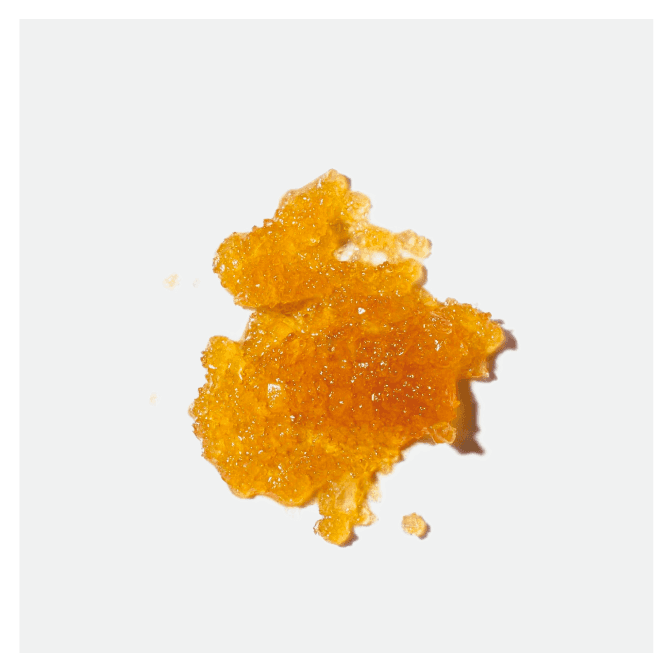
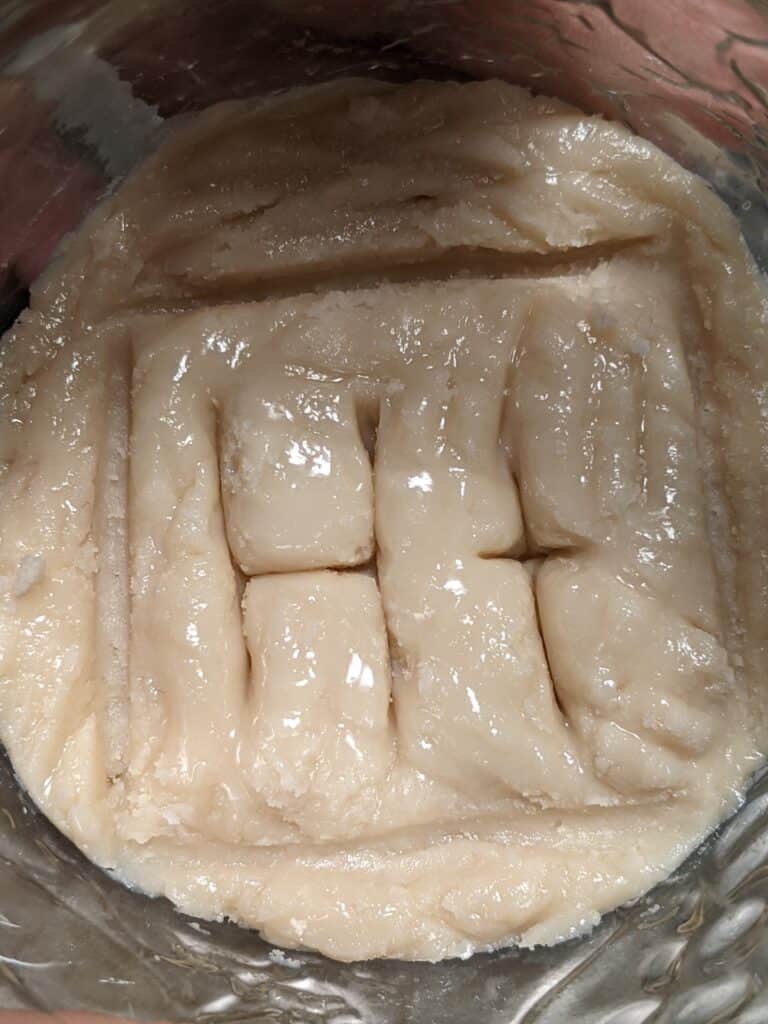
| Visual description | Clear, yellow/gold/light colour can be shatter or jam-like consistency depending on terpene content. Rarely buttered up | Can vary from buttered (typically cold cured hash rosin) to a wet jam-like consistency |
| Benefits | Visual appeal, product clarity, can have extremely high terpene content | Balanced full spectrum experience, pungent smell, no residual solvents |